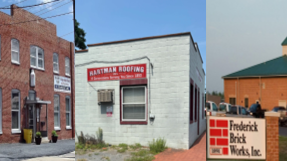
As Frederick celebrates our country’s 250th anniversary, this snapshot of city business history offers a glimpse into the people, craftsmanship and industries that helped shape the Frederick community.
Some businesses that began generations ago have evolved with the times, while others continue to serve Frederick with the same emphasis on quality and relationships. From historic trades to large-scale manufacturing, these businesses demonstrate that Frederick’s entrepreneurial spirit is not new. It has been part of the city’s story for generations.
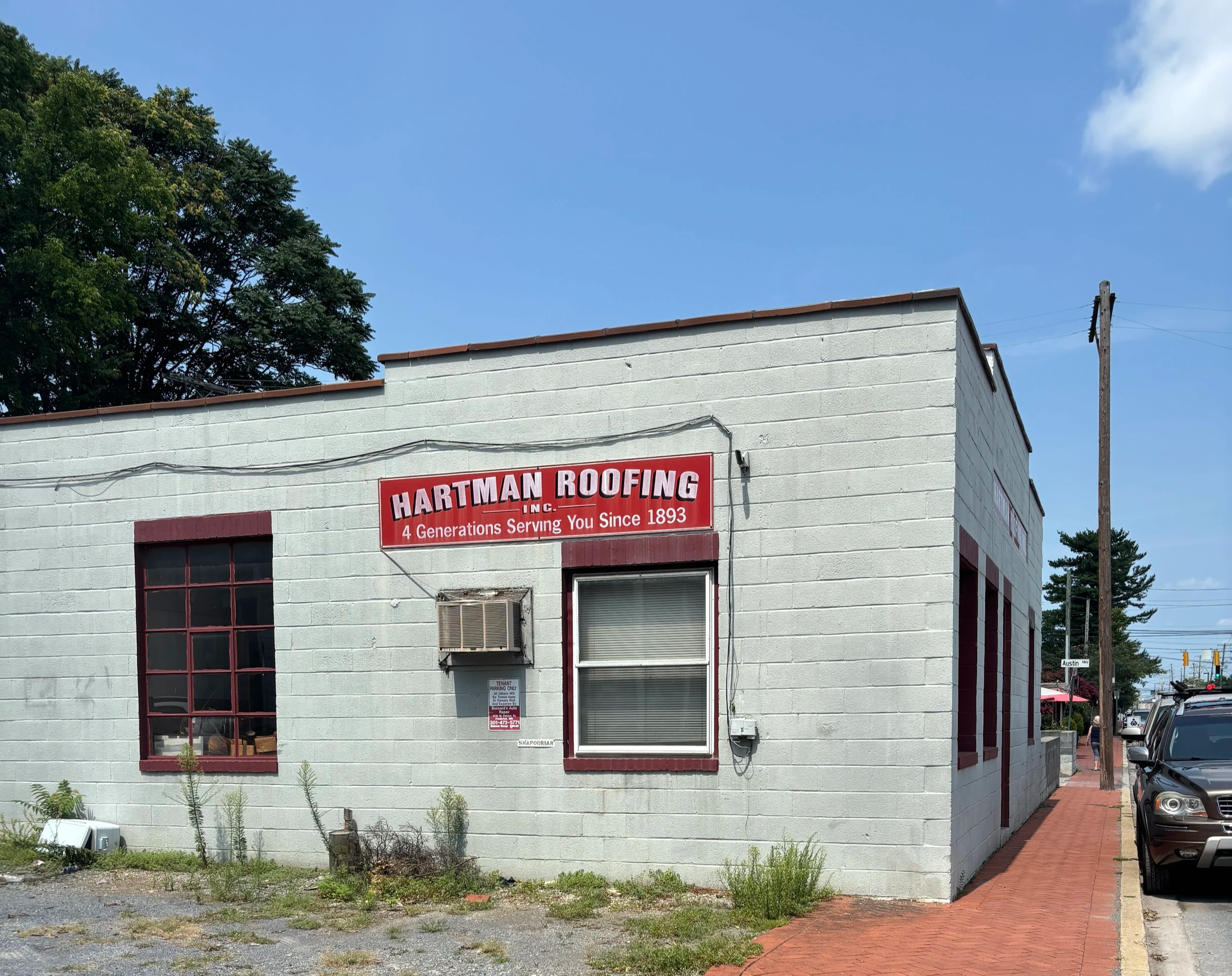
Hartman Roofing, 215 N. East St.
Hartman Roofing: A Family Tradition Built Over Generations
For generations, Hartman Roofing has been part of Frederick’s landscape, with a family history in roofing and slate work stretching back into the 19th century. Historical records and family accounts trace the trade through the Hartman family and relatives who operated a slater business from their Downtown Frederick home, eventually passing the business through successive generations. Bob Hartman took over the company in 1976, following an uncle who had operated it until 1969, and in 2020, Bob’s daughter Laurie Williamson and son-in-law Andy Williamson took on a more significant role as Bob stepped back.
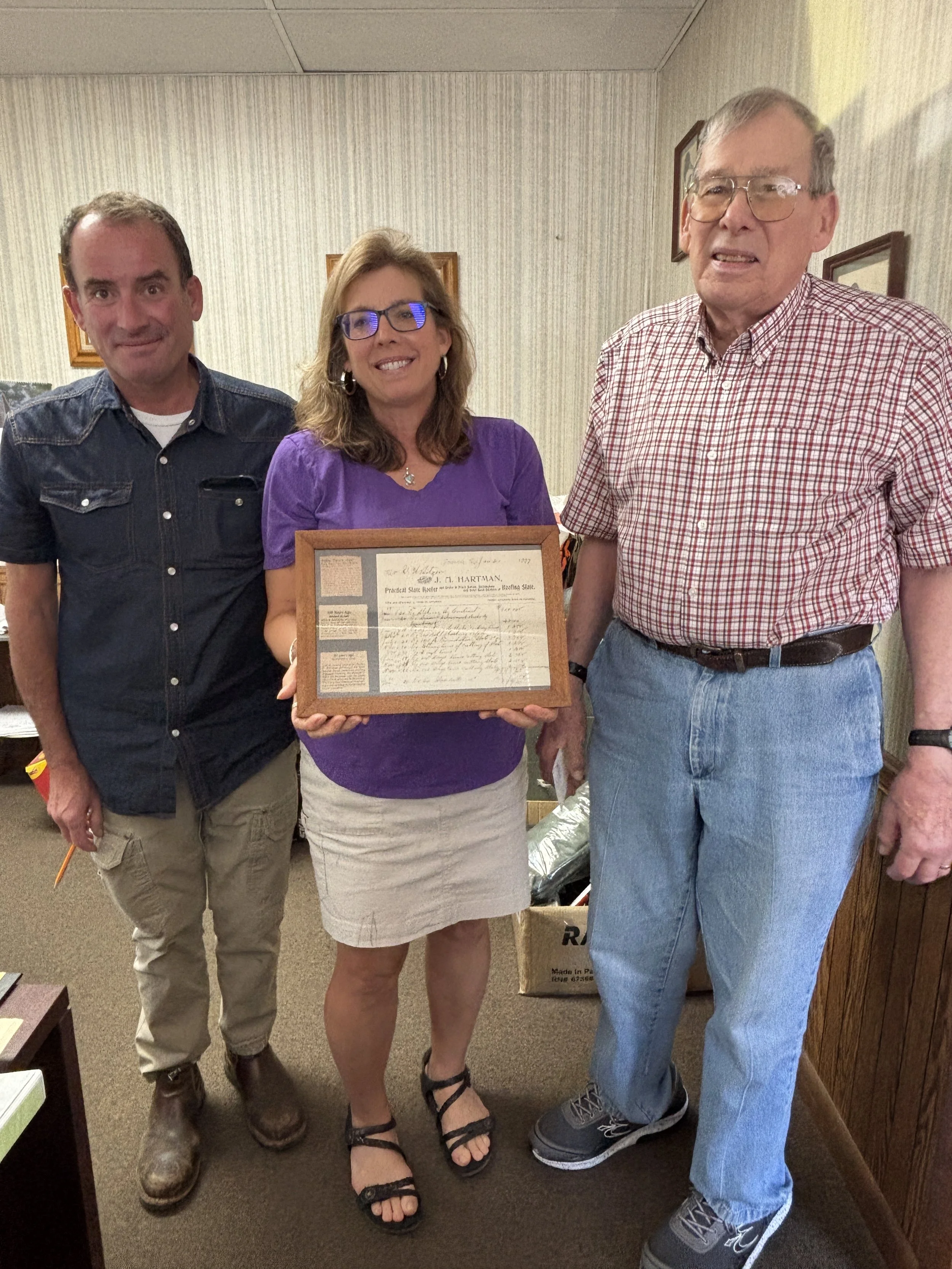
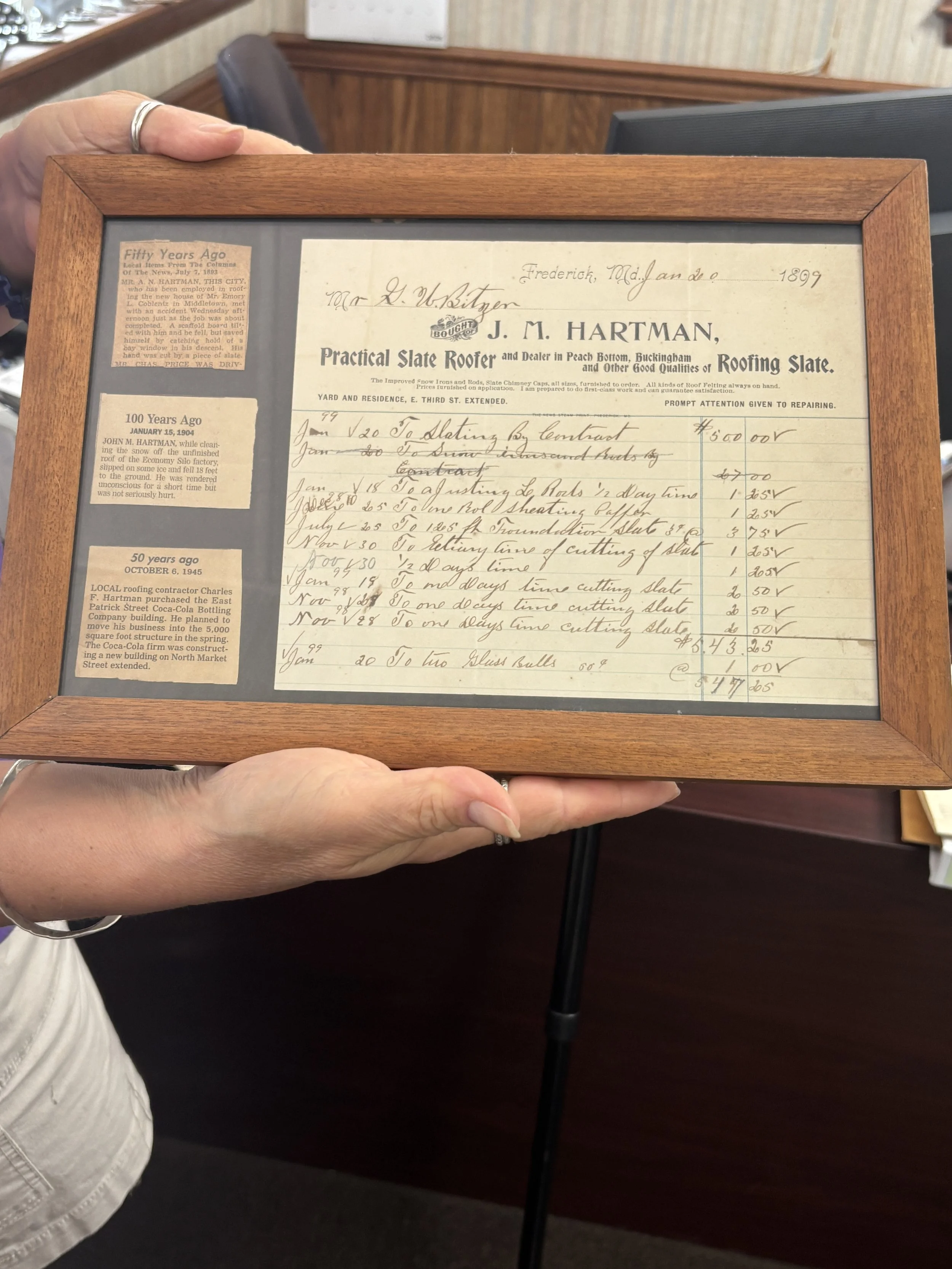
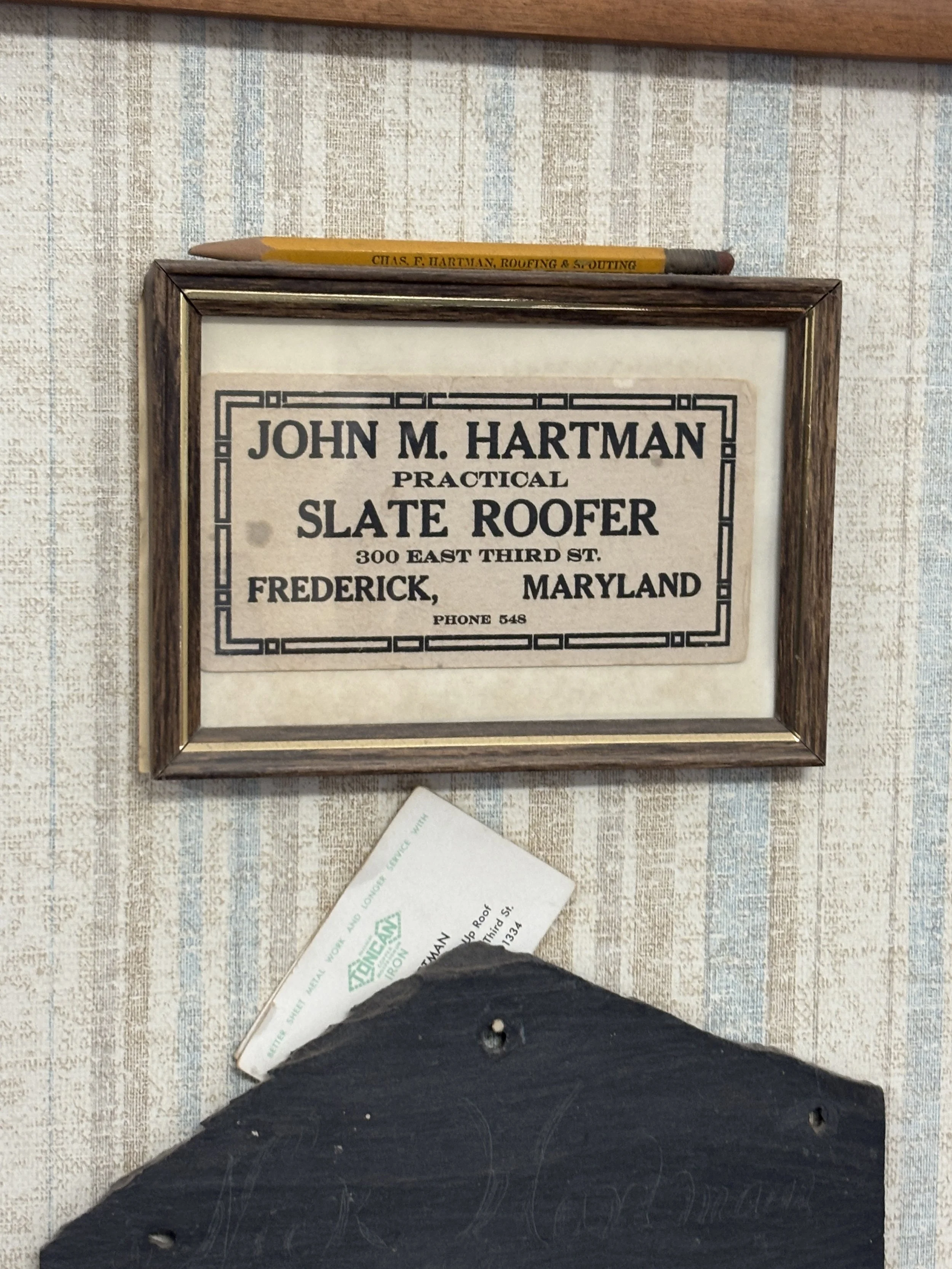
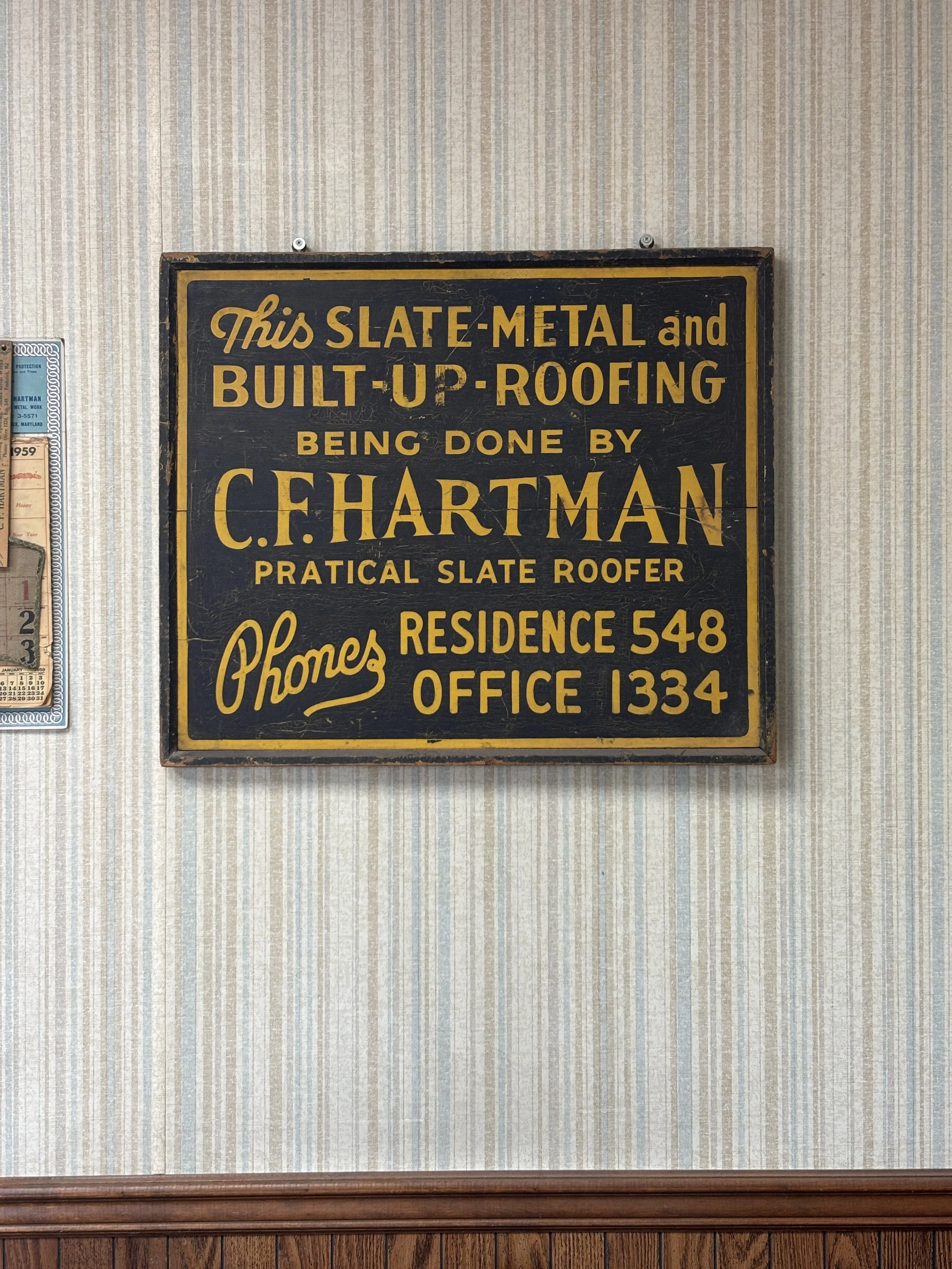
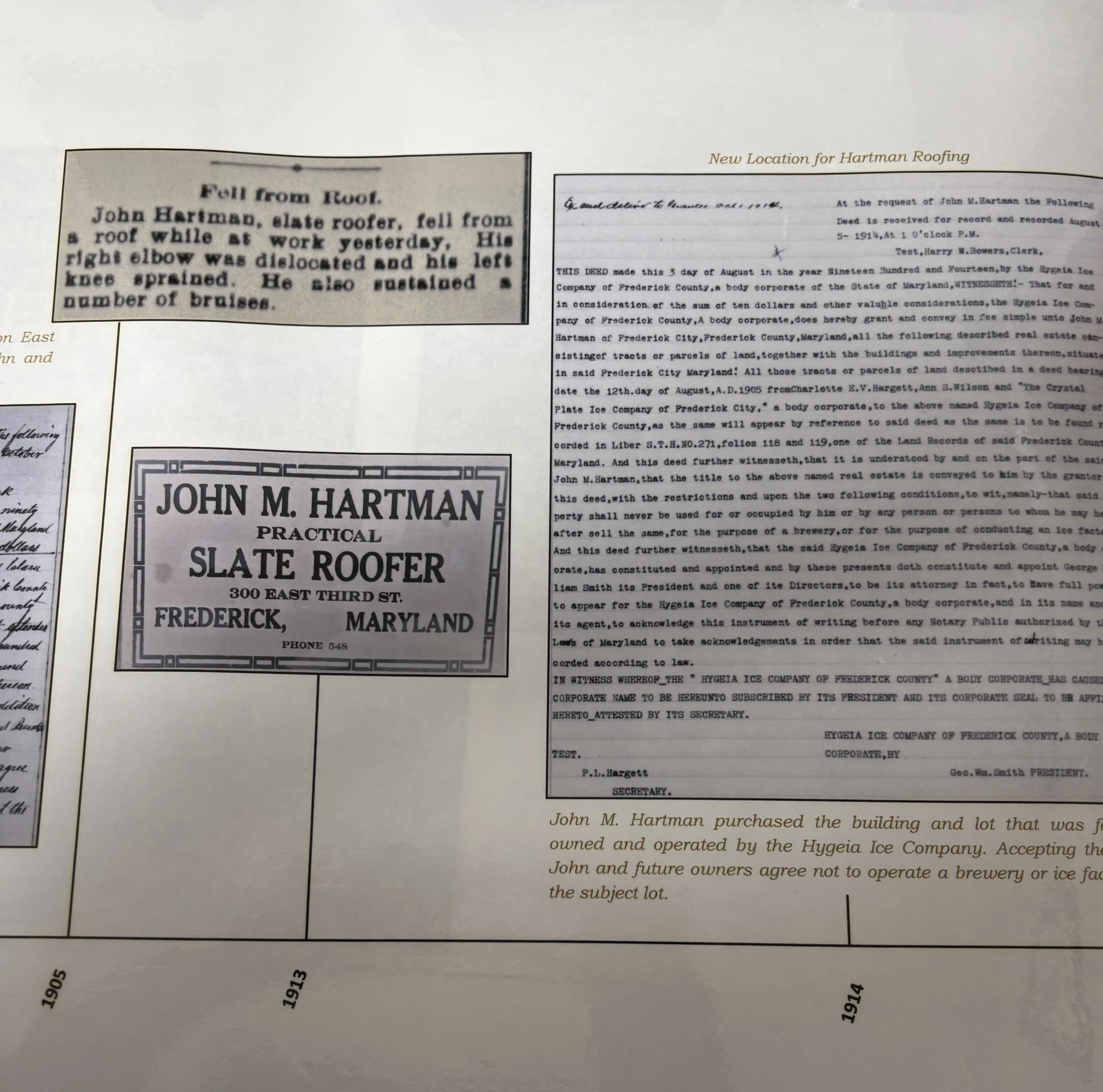
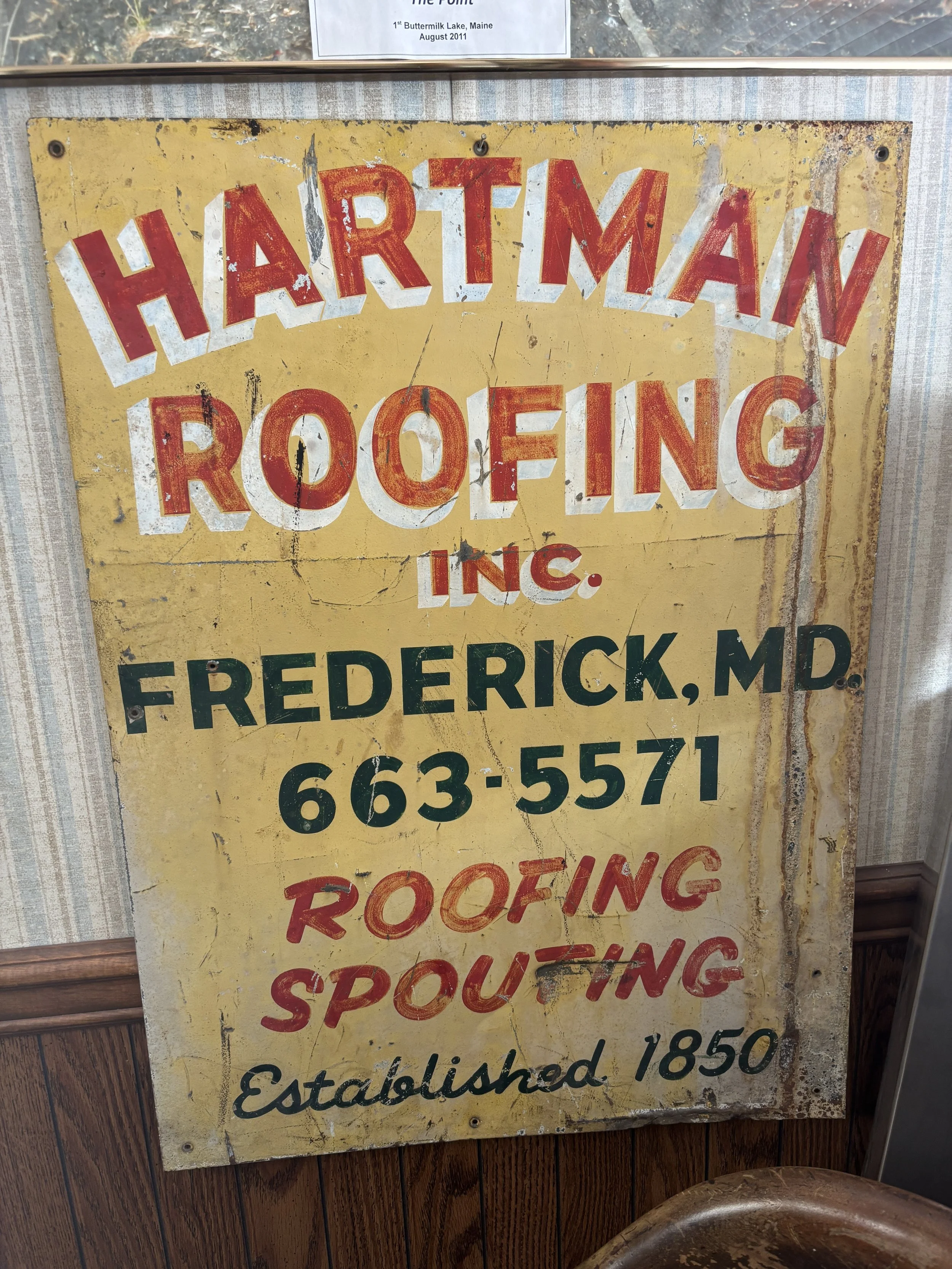
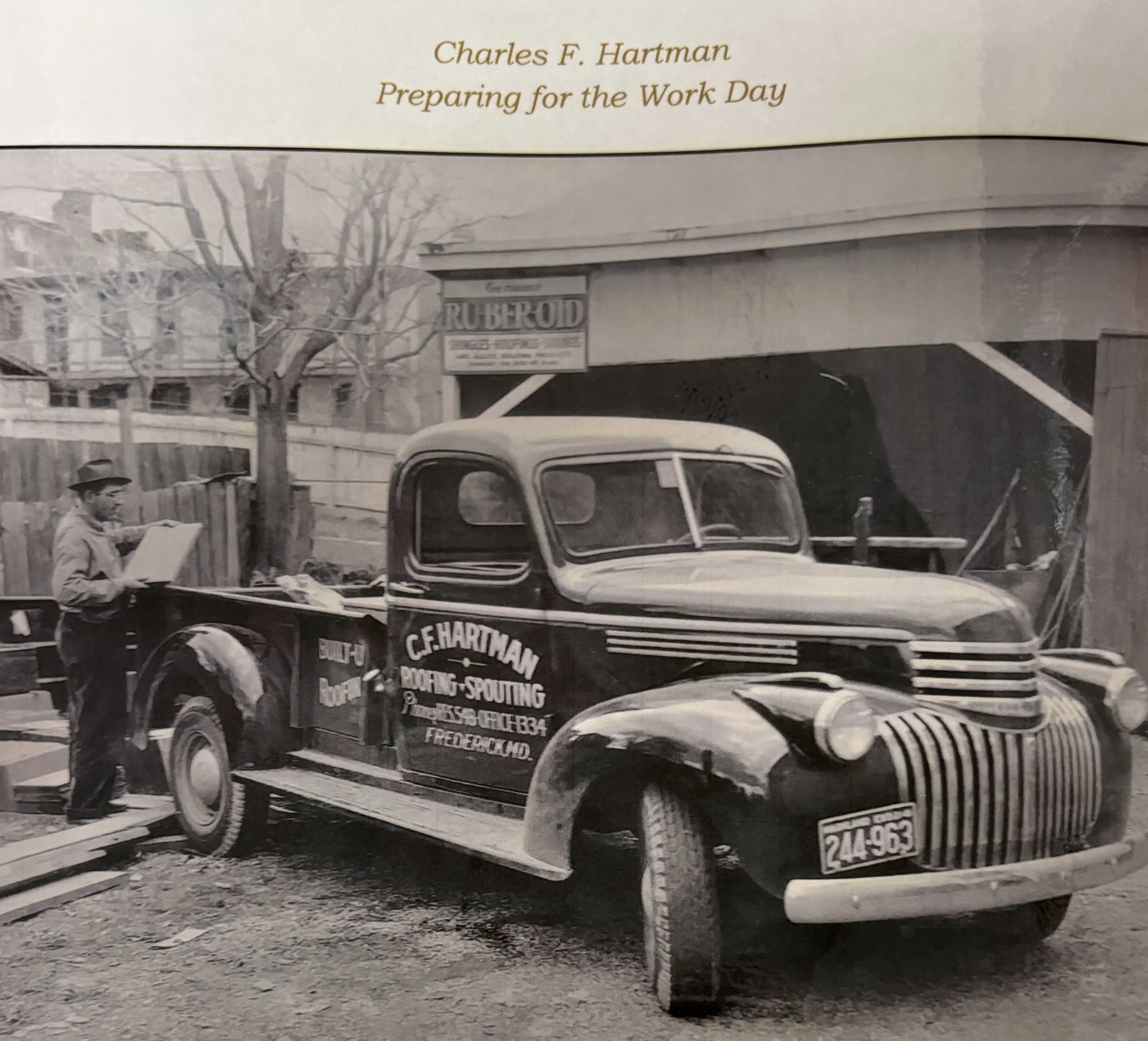
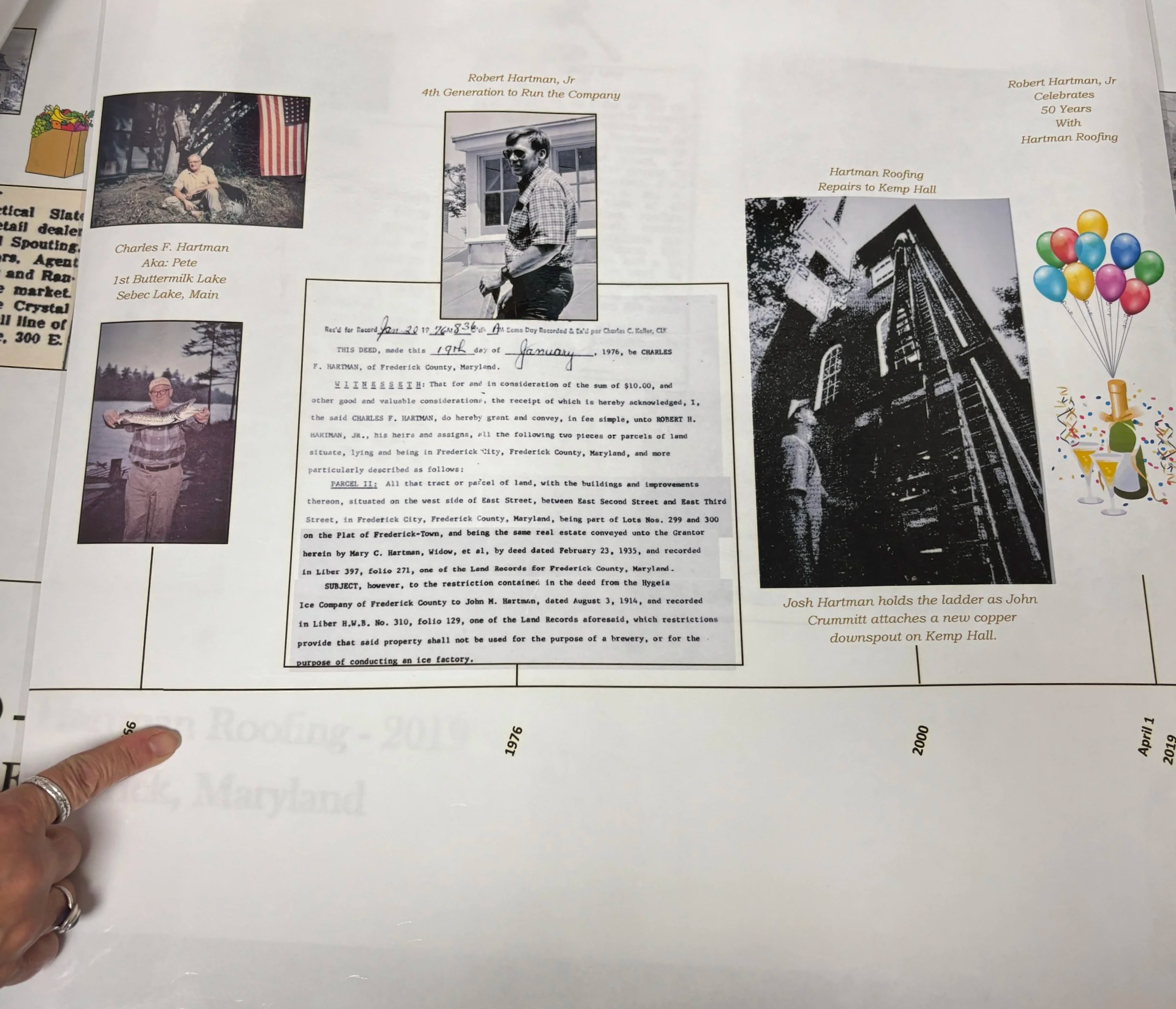
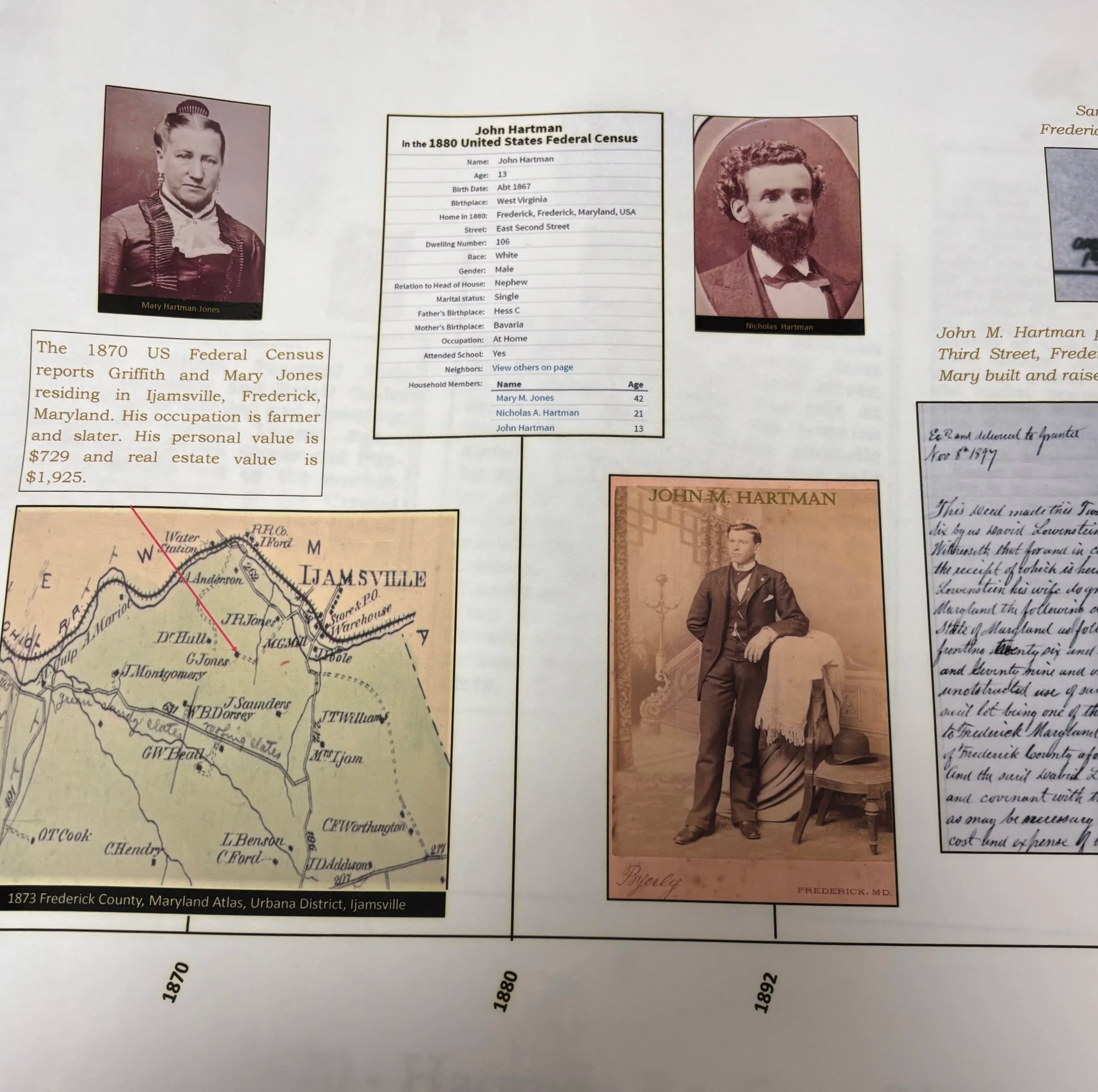
Today, Hartman Roofing remains intentionally small and specialized, employing roughly six to eight field workers and focusing on quality rather than volume. The company has developed a reputation for honest assessments and craftsmanship, particularly in specialized work involving slate, copper, standing-seam metal and historic properties. Its crews have worked on numerous historic Frederick buildings and homes, including properties around Record Street, the courthouse area, the Cannery/Talbot building and the Three Sisters/Marlborough House. The company’s work also illustrates the importance of traditional craftsmanship: the company continues to use specialized slate tools and techniques and approaches historic roofing differently from modern, high-volume shingle work. Its customers often span generations as well, with the company returning to maintain the same properties decades after first completing the work. For Hartman Roofing, longevity is less about becoming the largest roofing company and more about preserving a reputation for doing the job correctly, maintaining strong employee relationships and keeping a specialized Frederick trade alive.
Frederick Brick Works: Building Frederick, One Brick at a Time
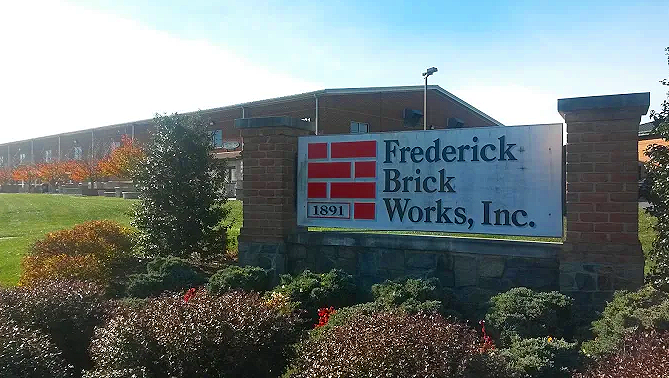
Frederick Brick Works, 1731 Monocacy Blvd.
Brickmaking in Frederick dates back well before the establishment of Frederick Brick Works. Locally made brick was used in some of the city’s earliest buildings, including the Steiner House on West Patrick Street, where historical records indicate the bricks were made on the premises. By the 19th century, Benjamin Franklin Winchester was operating a brickmaking business in Frederick, Pressed and Ornamental Bricks a Specialty, producing handmade, pressed and ornamental brick. A Titus map from 1873 identifies one of Winchester’s brick yards on East South Street, approximately where Frederick Brick Works is located today. Winchester’s operation was substantial enough to supply an estimated 2.5 million bricks for the Maryland School for the Deaf and 800,000 for the new jail on West South Street. Frederick Brick Works itself was founded in March 1891 and incorporated that April under President D.C. Winebrener and general manager John Baumgardner. The company invested $13,500 to establish a brick plant as demand grew along the Baltimore & Ohio Railroad between Washington, D.C., and the developing communities along the line. The result was the hard, dark “Frederick Reds,” which became a sought-after local product.
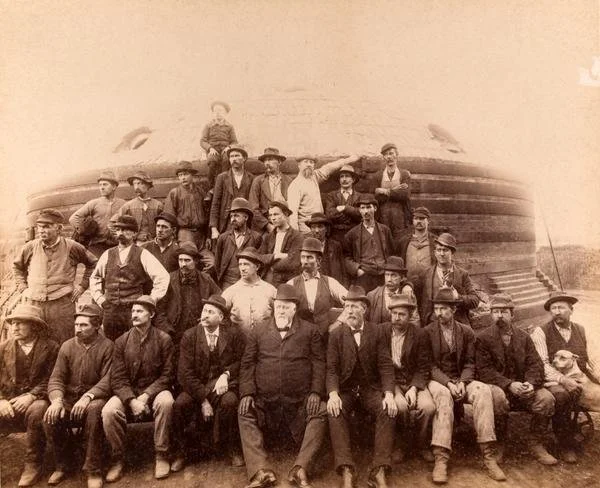
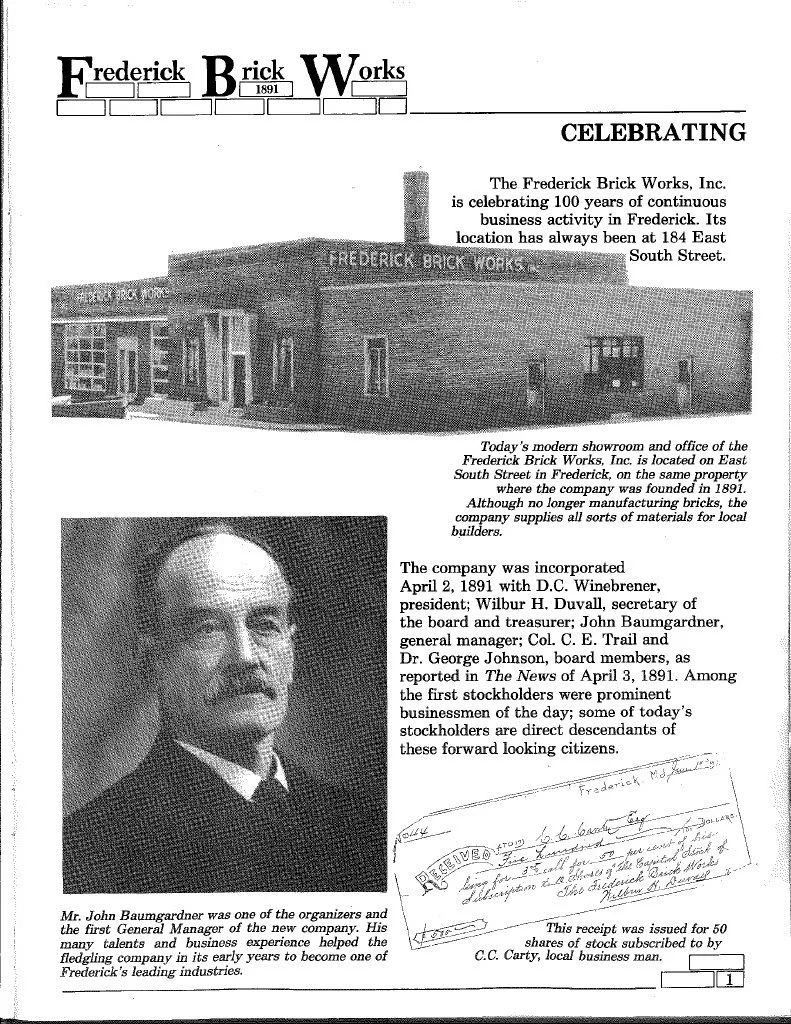
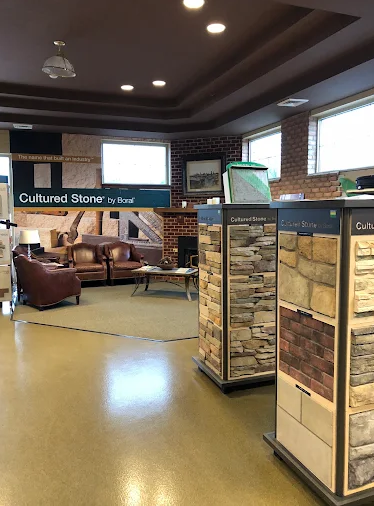
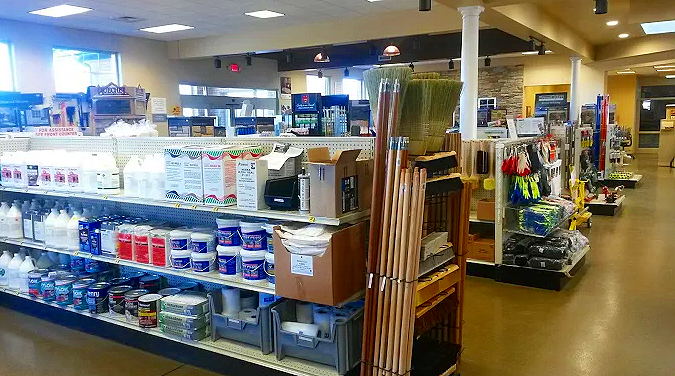
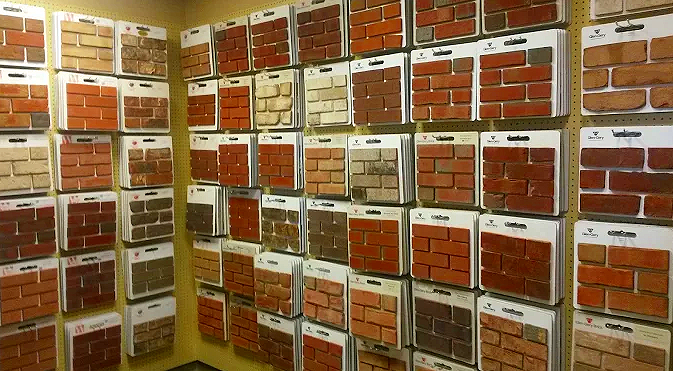
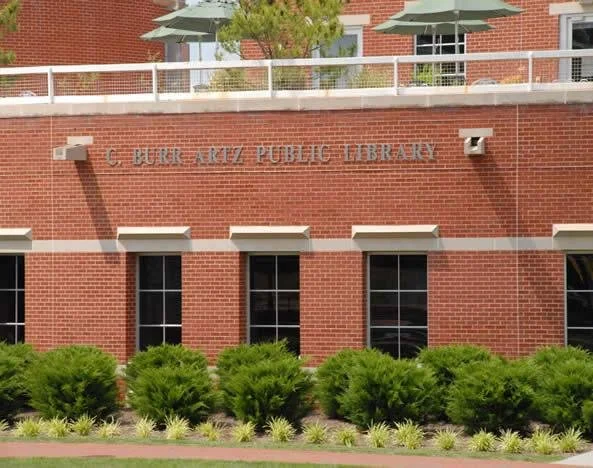
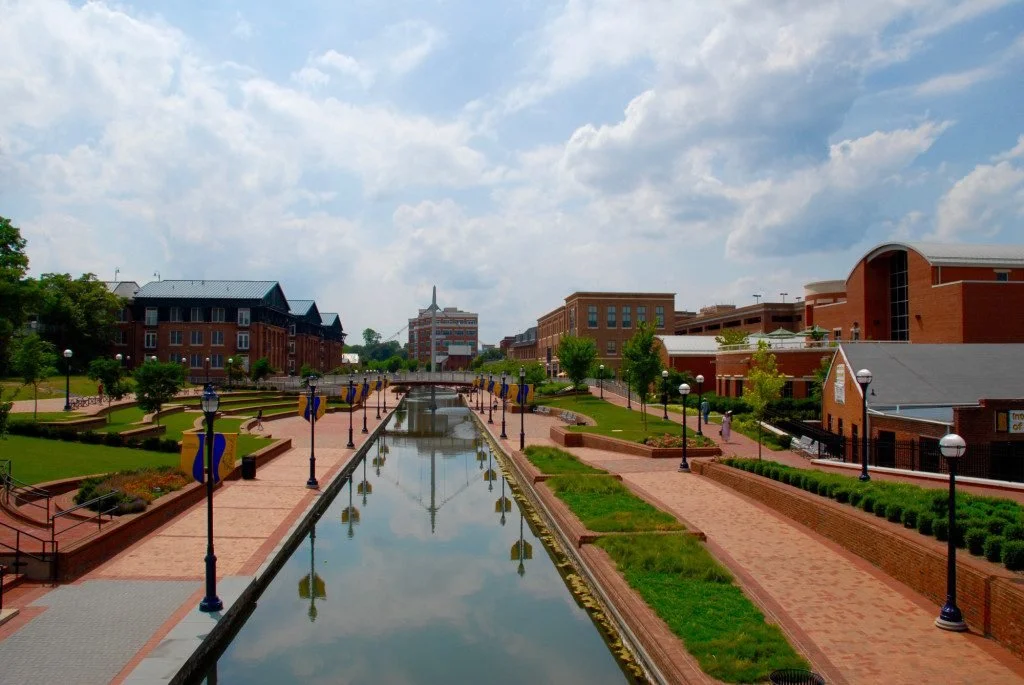
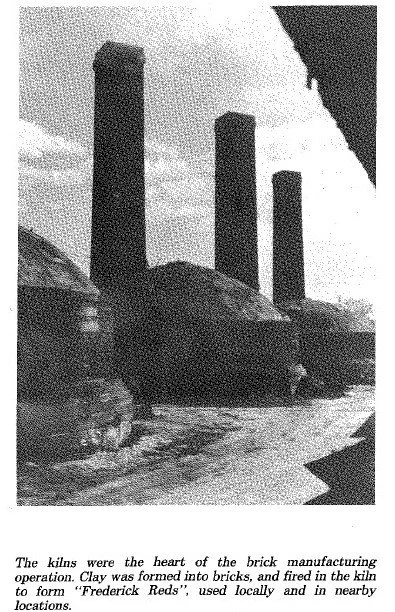
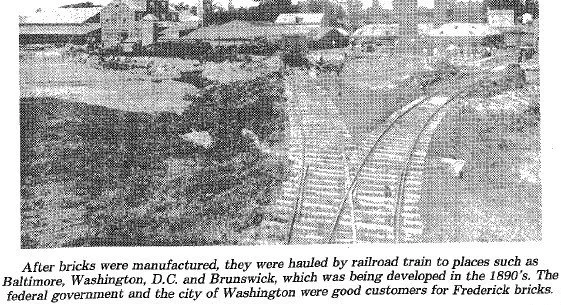
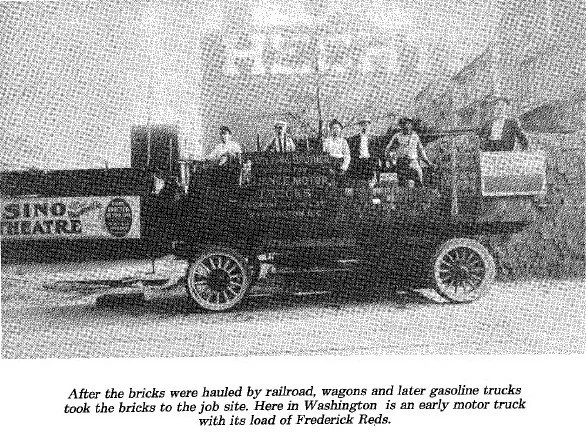
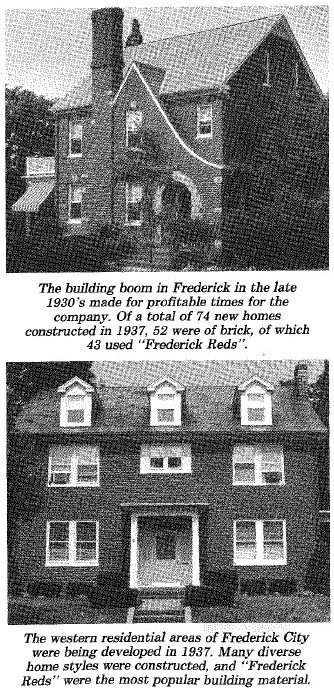
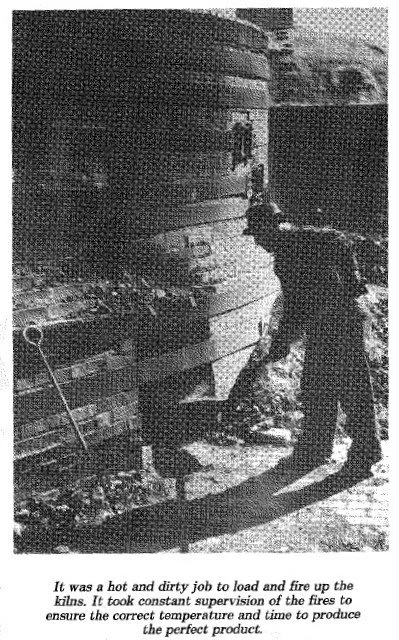
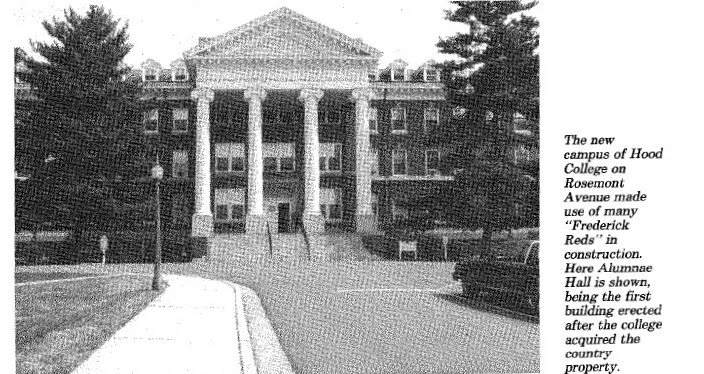
Production grew dramatically — from approximately 548,000 bricks in 1906 to more than 8.8 million in 1909. At its peak, the plant employed about 70 men. The company’s bricks became part of projects throughout the region, including Frederick High School, which required 1.2 million bricks. Manufacturing eventually ended permanently in 1947 because of changing market conditions, labor challenges, obsolete equipment and deteriorating facilities, but Frederick Brick Works evolved rather than disappeared. Retail building-material sales became an important part of the business beginning in 1931, and the company eventually moved to its current Monocacy Boulevard location. Its story represents Frederick’s transition from local manufacturing to a modern building-supply business while retaining a connection to the materials that helped construct the city.
Dairy Maid Dairy: From a 1894 Dairy to a Regional Supplier
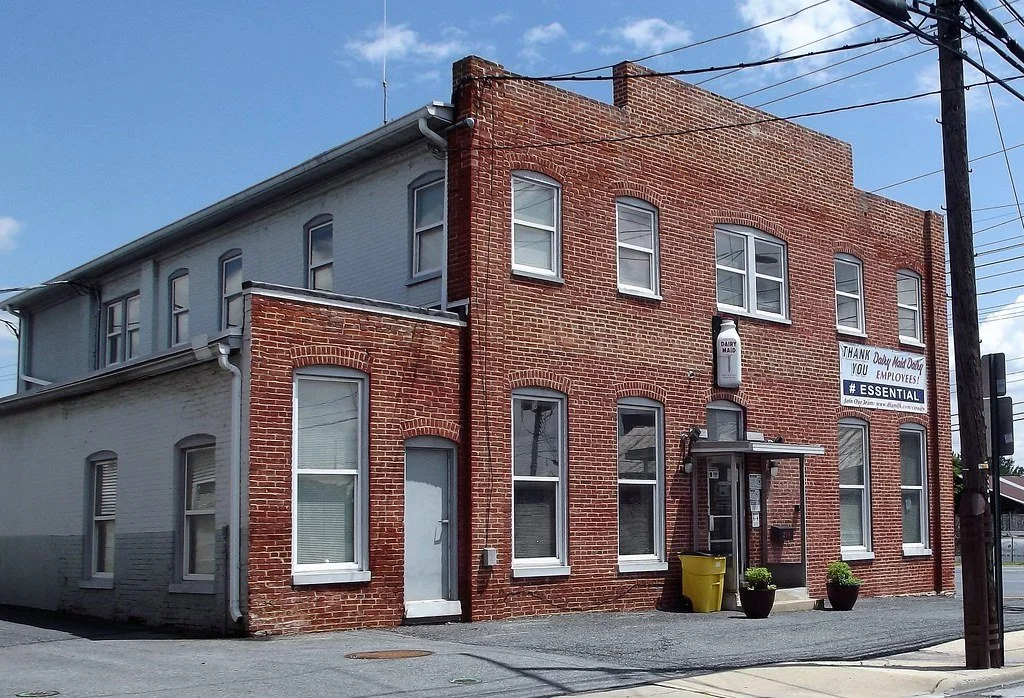
Dairy Maid Dairy, 259 E 7th St.
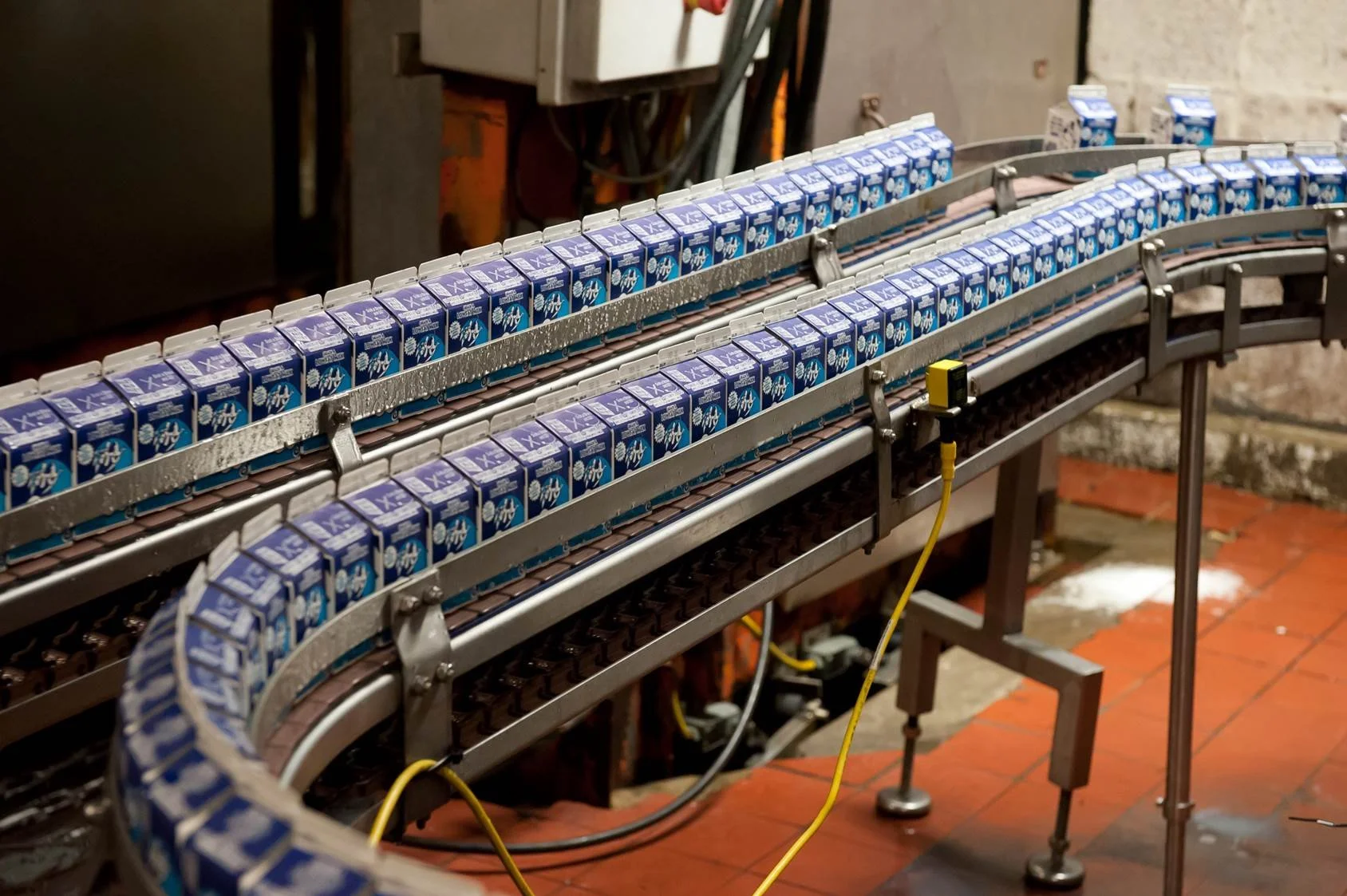
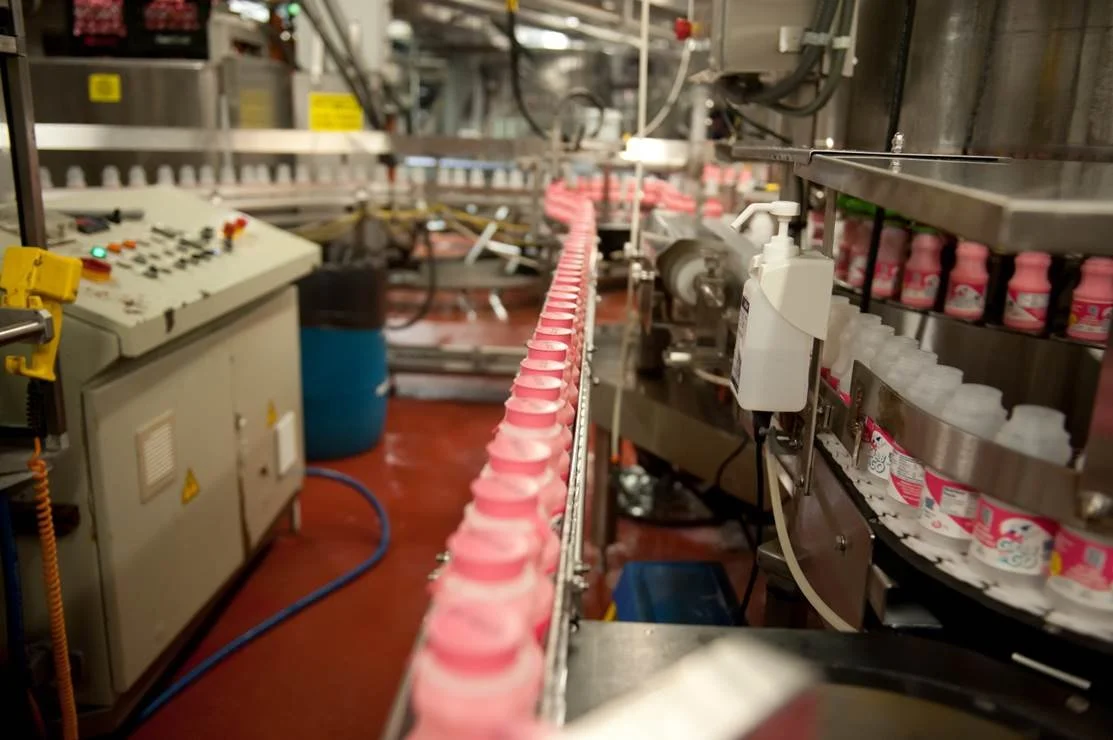
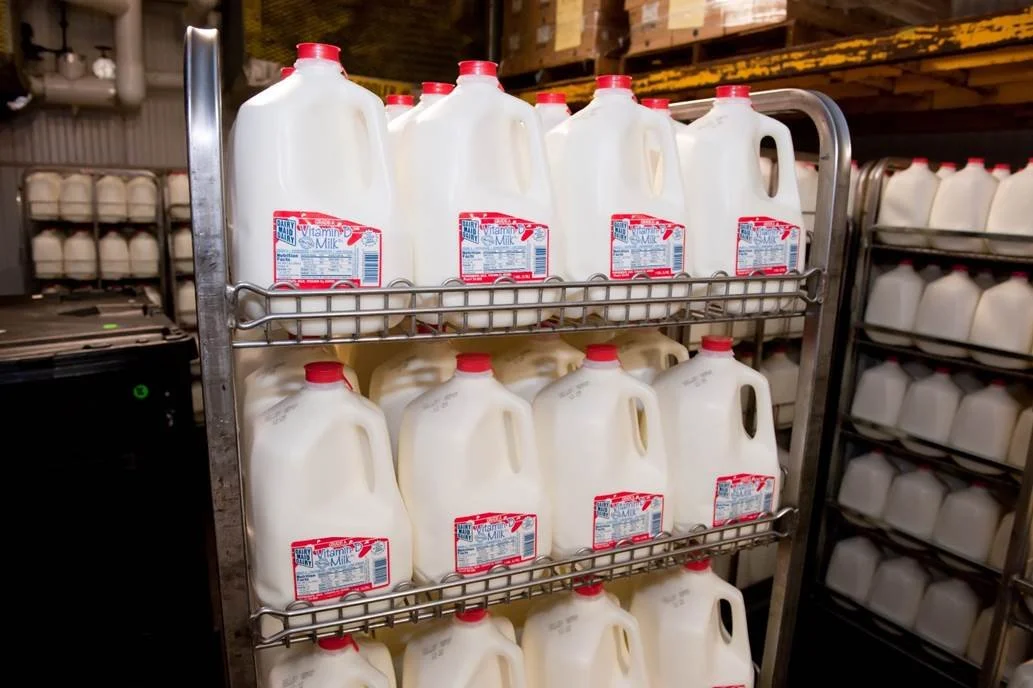
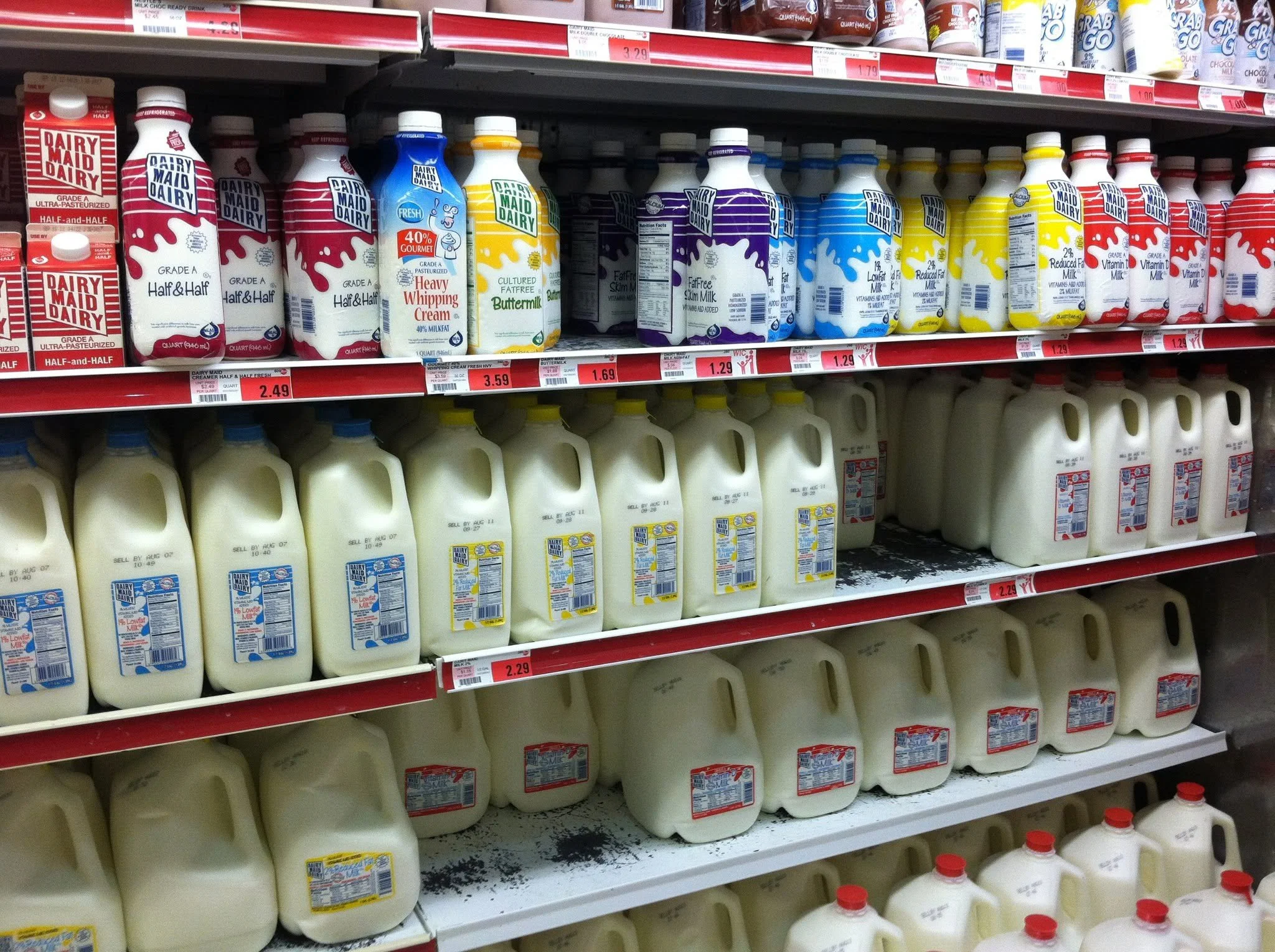
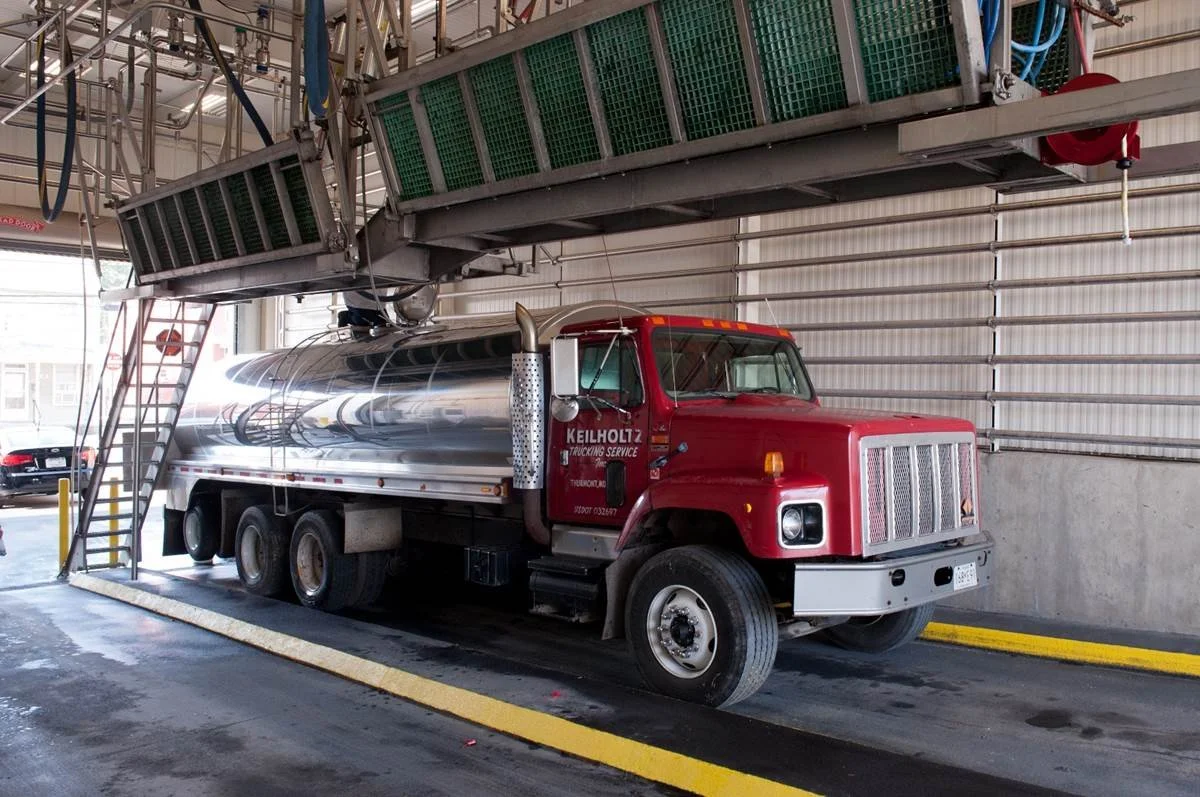
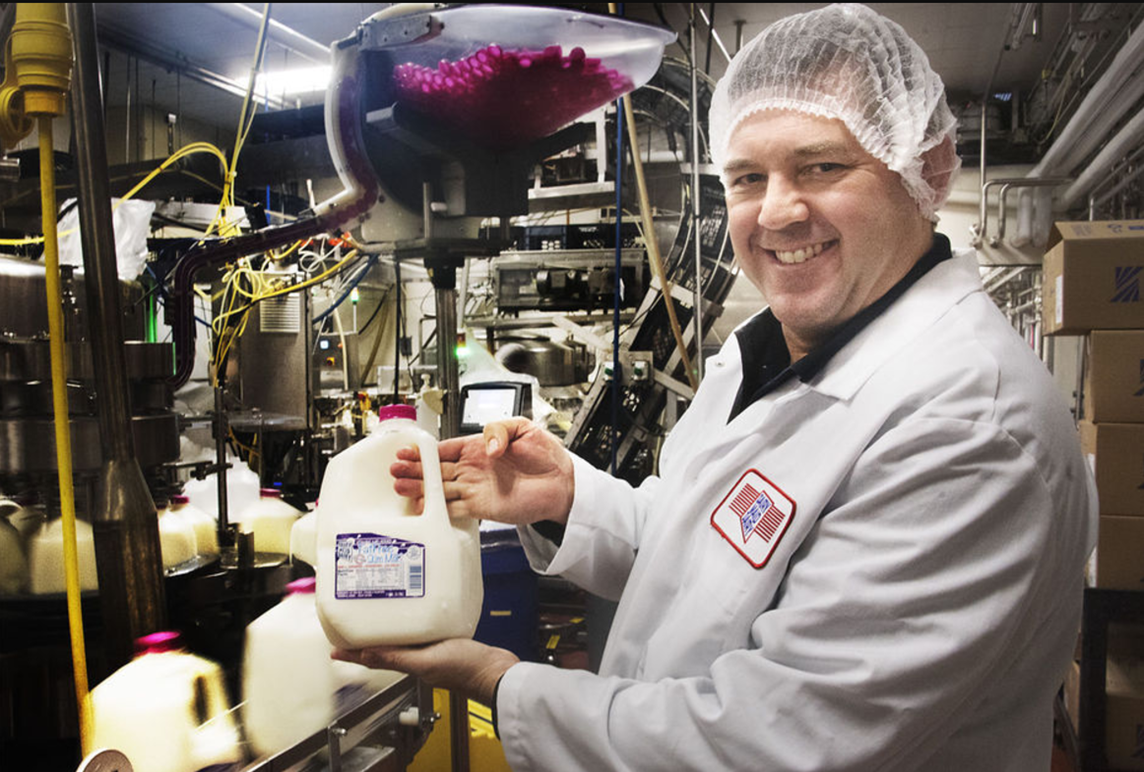
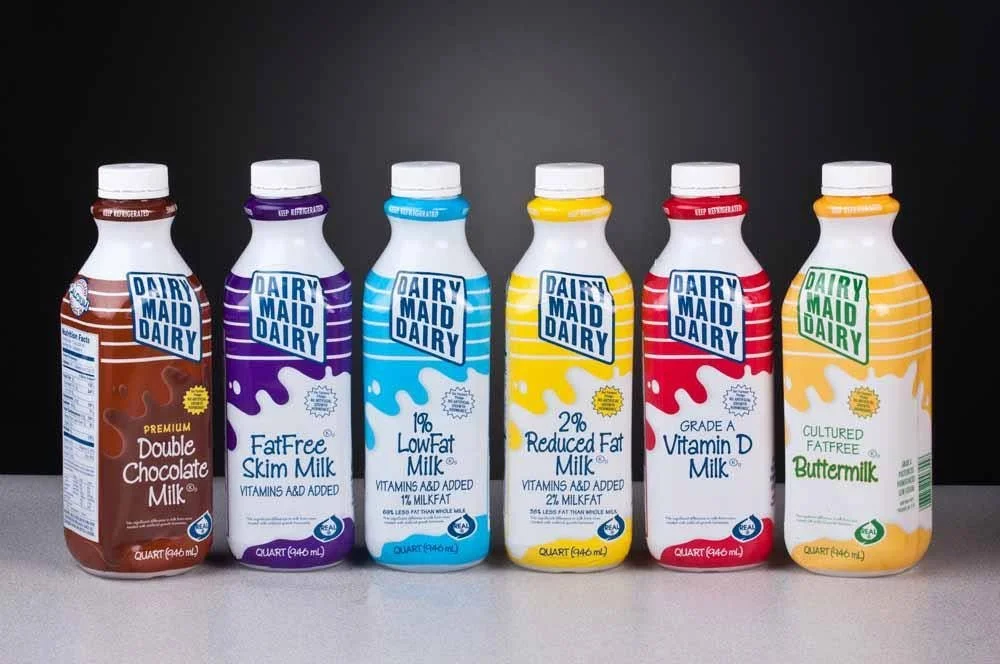
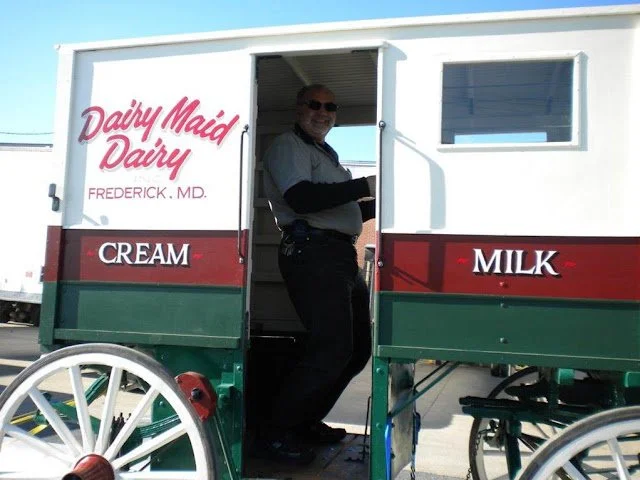
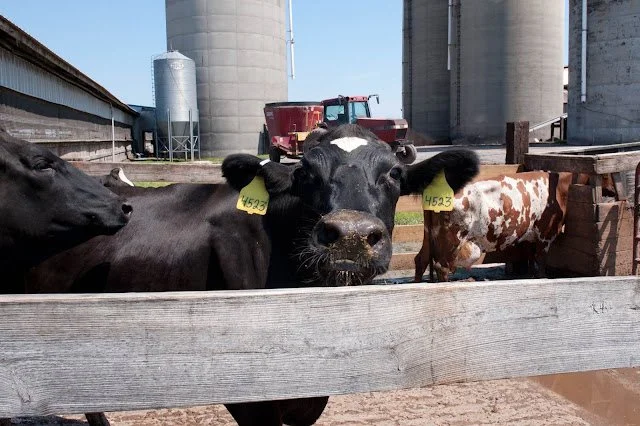
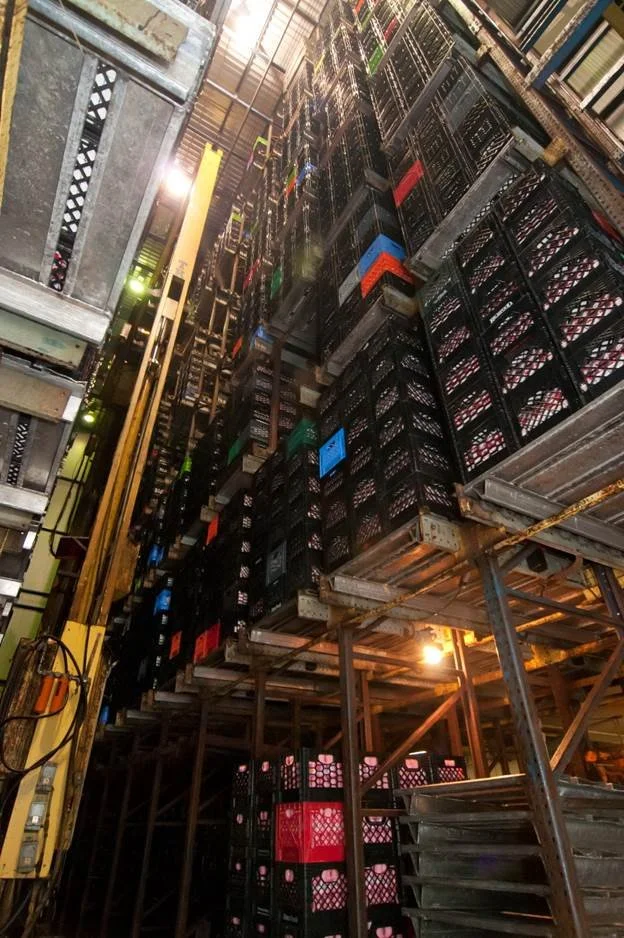
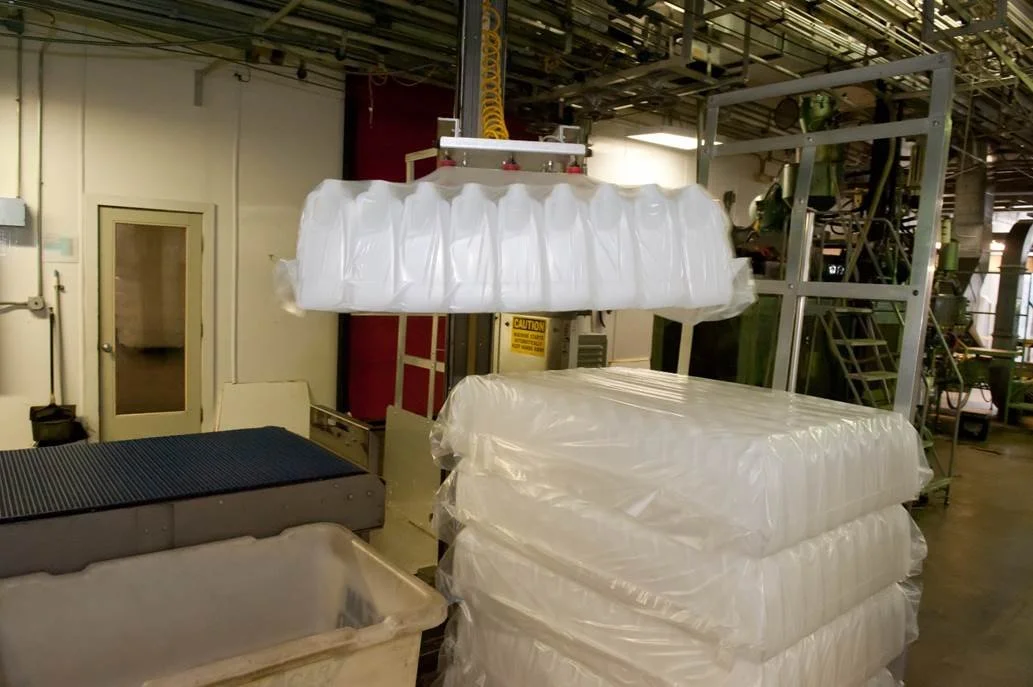
Dairy Maid Dairy traces its Frederick roots to 1894, when it began as the Excelsior Sanitary Dairy, making it the city’s longest-running dairy operations. The business was acquired in 1946 by World War II veteran Joseph Vona, who discovered the opportunity through a tiny advertisement in the Frederick News-Post. With no previous experience in the dairy industry, Vona entered a competitive local market that included at least half a dozen dairies in the county and built the operation into a lasting Frederick business. The company adopted the Dairy Maid Dairy name in 1965 before being acquired by Dairy Farmers of America in 2013. Today, the East 7th Street facility employs more than 200 people and produces more than 30 million gallons of milk annually, using milk sourced from local and regional farms. Its products, including milk, flavored milk, half-and-half, buttermilk, heavy whipping cream and eggnog, reach consumers and institutions throughout the region. Dairy Maid serves schools across Maryland, Virginia and Pennsylvania and supplies major retailers and brands including Aldi, Lidl, Trader Joe’s and Starbucks. Its products are distributed from New York to Georgia, demonstrating how a Frederick business that began serving a local community more than 130 years ago has grown into a regional operation while maintaining its connection to local agriculture.
Other Noteworthy Frederick Legacy Businesses:
Lough Memorials (1874): Family-owned and operated since 1874, the company has carried its tradition of handcrafted headstones, monuments and memorials through multiple generations and ownership transitions and today operates at 500 South Market Street.
Keeney & Basford Funeral Homes (1848): Founded by John Garrison Etchison as M.R. Etchison & Son, the business has roots stretching back to 1848 and is recognized as Frederick County’s longest continually operating funeral home.
Independent Hose Company No. 1 (1818): Maryland’s oldest continuously operating fire company, IHC has provided fire protection and community service in Frederick since 1818.
The Great Frederick Fair (1821): The Fair, led by the Agricultural Society dates to 1821, with the first Cattle Show and Fair held in 1822 at George Creager’s Tavern near the Monocacy Bridge.
Maryland School for the Deaf (1868): Authorized by the Maryland General Assembly in 1867 and opened in Frederick in September 1868, the school remains an important Frederick institution.
McCutcheon’s (1938): A longtime Frederick manufacturing and food-production staple whose history reflects the city’s enduring tradition of locally made products.
Heritage Frederick (1892): Originally established as the Historical Society of Frederick County, the organization has spent more than 130 years preserving and sharing the community’s history.
Hood College (1893): Founded as the Woman’s College of Frederick, Hood has remained a Frederick educational institution since its establishment in 1893.
Frederick News-Post (1883): Frederick’s longstanding newspaper tradition represents another important piece of the city’s business and civic history.
The stories of these businesses and institutions show that Frederick’s economic identity has always been shaped by people willing to build, adapt and invest for the next generation. Explore more of Frederick’s business community and discover the people and businesses shaping its future at businessinfrederick.com.